by Wonsuh Song
【Tokyo, Japan】– President Yoon Suk-yeol’s August 15 Unification Doctrine lays out a new direction for peaceful unification on the Korean Peninsula. This doctrine emphasizes that unification is no longer a distant future goal but a realistic challenge that we must start preparing for and working toward now. Based on the core values of freedom, human rights, and peace, the doctrine envisions a unified Korea where both South and North Korean residents can live in freedom and prosperity.
One key point of this doctrine is the close cooperation between the President, the Peaceful Unification Advisory Council (PUAC), and the Ministry of Unification. These institutions each play a vital role in implementing unification policies and garnering public support for this vision.
The President’s Vision and Leadership
Through the August 15 Unification Doctrine, President Yoon has presented a clear roadmap for achieving unification. He emphasizes that the denuclearization of North Korea and the improvement of human rights for its citizens are essential conditions for lasting peace on the Korean Peninsula. To help North Korea transition to a path of cooperation, South Korea is working with the international community, balancing pressure and dialogue as part of a comprehensive strategy.
A notable aspect of this doctrine is its focus on unification not as a task for governments and leaders alone, but as a process in which all citizens of both South and North Korea are the key players. President Yoon emphasizes that true peace and prosperity can only be achieved when the people of both Koreas actively participate in the unification process, moving beyond historical tensions.
The Role of PUAC
The Peaceful Unification Advisory Council (PUAC), a presidential advisory body, plays a crucial role in the realization of unification policies. PUAC members, spread across South Korea and overseas, gather public opinion and raise awareness about the importance of unification. They work at the grassroots level, engaging citizens in discussions and educational initiatives to foster a deeper understanding of the need for unification.
PUAC also strengthens ties with overseas Koreans, ensuring that the global Korean community supports the vision for a unified Korea. This highlights the fact that unification is not just a domestic issue but a global challenge that requires international cooperation.
The Ministry of Unification’s Practical Strategy
The Ministry of Unification is responsible for the practical implementation of the August 15 Unification Doctrine. The Ministry is focused on specific policies such as improving human rights in North Korea and strengthening unification education to build public consensus on the need for unification. One of the Ministry’s key efforts is to increase access to information for North Korean citizens. Access to external information is a critical first step toward unification. This will lead to changes in perception and consciousness among the North Korean population.
Additionally, the Ministry is playing a significant role in building trust between the two Koreas through humanitarian aid. These efforts are not just about providing material support. They are part of a long-term strategy. The aim is to improve living conditions and ensure human rights in North Korea.
The Need for Public Understanding and Engagement
For these government and institutional efforts to succeed, public understanding and engagement are crucial. Unification is not solely the task of the government. It is an issue that directly affects the future of all Korean people. The public must recognize that unification is not just a political goal. It is an essential process to create a safer and more prosperous Korean Peninsula.
The role of young people and overseas Koreans is especially important. These groups are the future leaders of a unified Korea. They need to be well-informed and actively engaged in the unification process. The government is working to promote unification awareness through educational programs tailored to these groups.
The August 15 Unification Doctrine is not just rhetoric; it is a concrete plan for the future of the Korean Peninsula. We can move closer to a peaceful and prosperous unified Korea. The President’s leadership is crucial. PUAC’s role in fostering public consensus is vital. The Ministry of Unification’s practical policies are essential.
Public interest and participation are essential. It is time for all of us to step up. We must help shape the future of the Korean Peninsula for the peaceful world.
Wonsuh Song (Ph.D.)
Member of the Global Strategy Special Committee, Peaceful Unification Advisory Council (PUAC)
Member of the Overseas Unification Education Committee, Ministry of Unification, Korea
Representative of Mulmangcho Japan
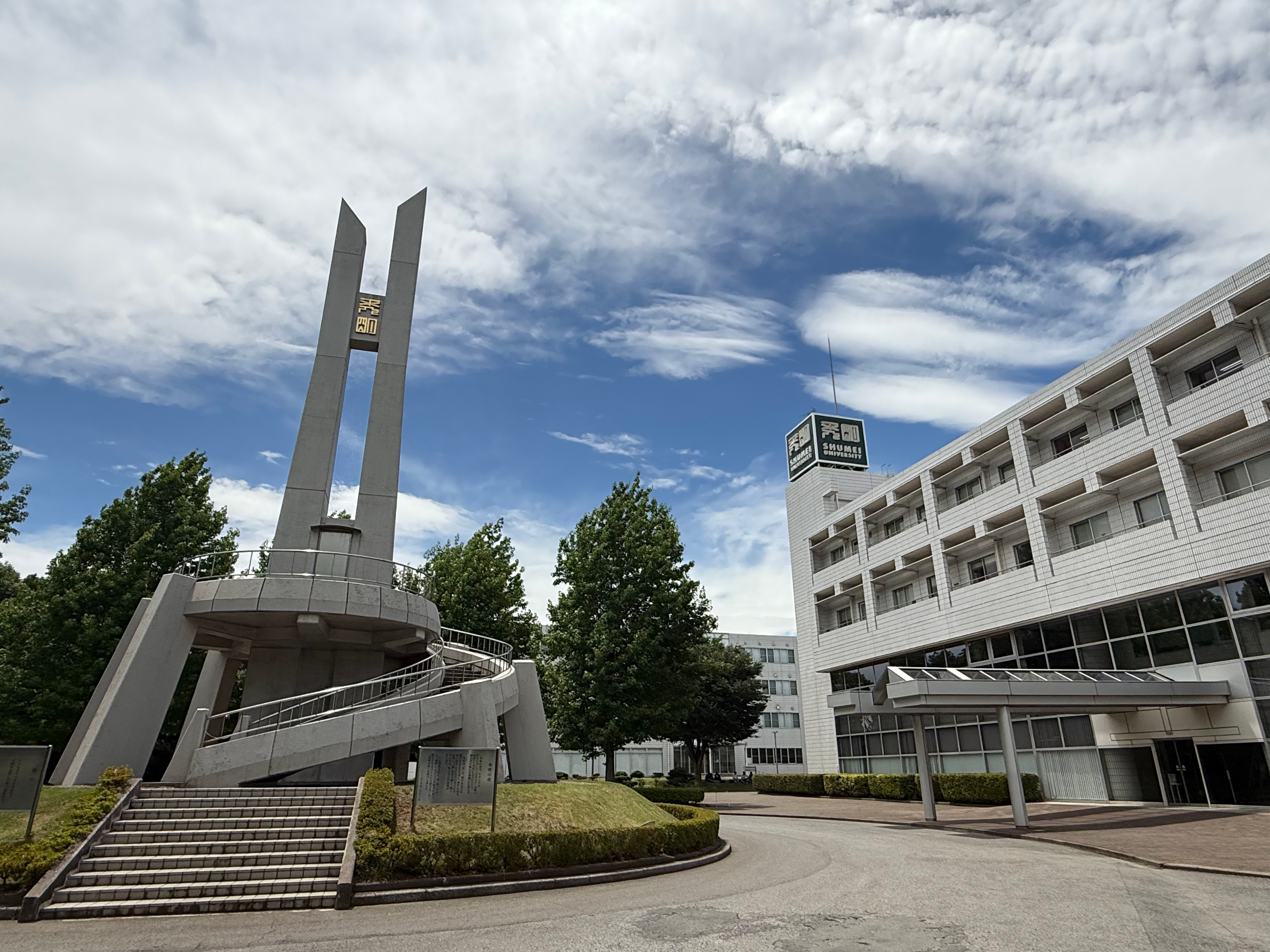
Lecturer, Shumei University, Japan